

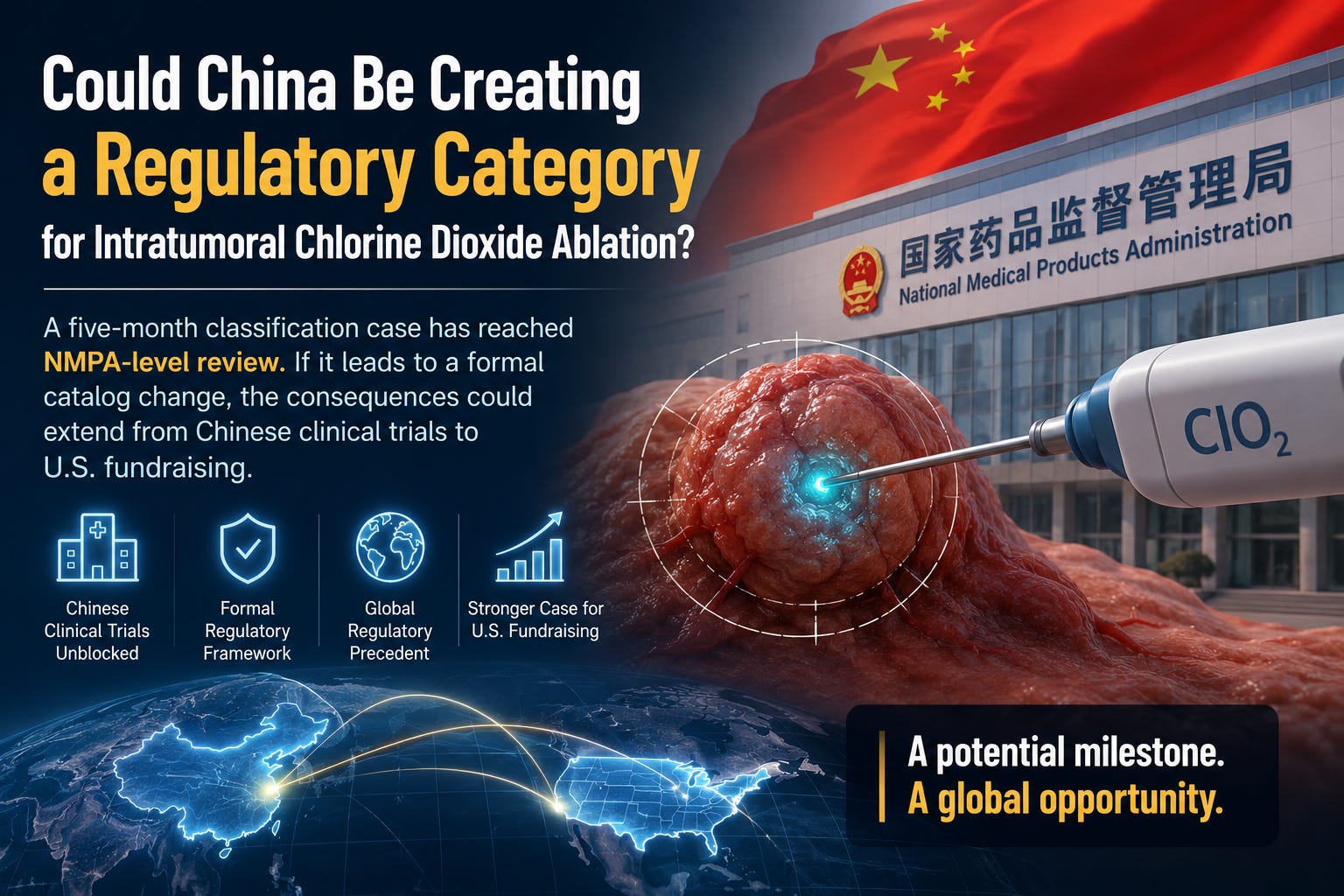
Important regulatory note
This article is a forward-looking analysis based on the current status shown in China’s medical-device classification system and on published regulatory procedures. It is not an announcement of an NMPA decision. As of publication, no public NMPA document has confirmed that the classification catalog will be changed for this product, and no Chinese marketing authorization has been granted.
After months of waiting, something may finally be moving in China.
Our classification application for the Intratumoral Chlorine Dioxide Ablation System, application No. N20261556, was filed on March 29, 2026. The current screen in China’s Medical Device Classification Determination Information System now shows 国家局审核 — best rendered for international readers as “NMPA-level review.”
That status is not, by itself, a final NMPA decision. But it is important that the case has already moved through expert discussion and center-level processing before reaching NMPA-level review. This means the Medical Device Standardization Administration Center has completed its own stage and submitted a conclusion or proposed disposition upward for review. What we do not yet know is the content of that conclusion or whether NMPA will approve it.
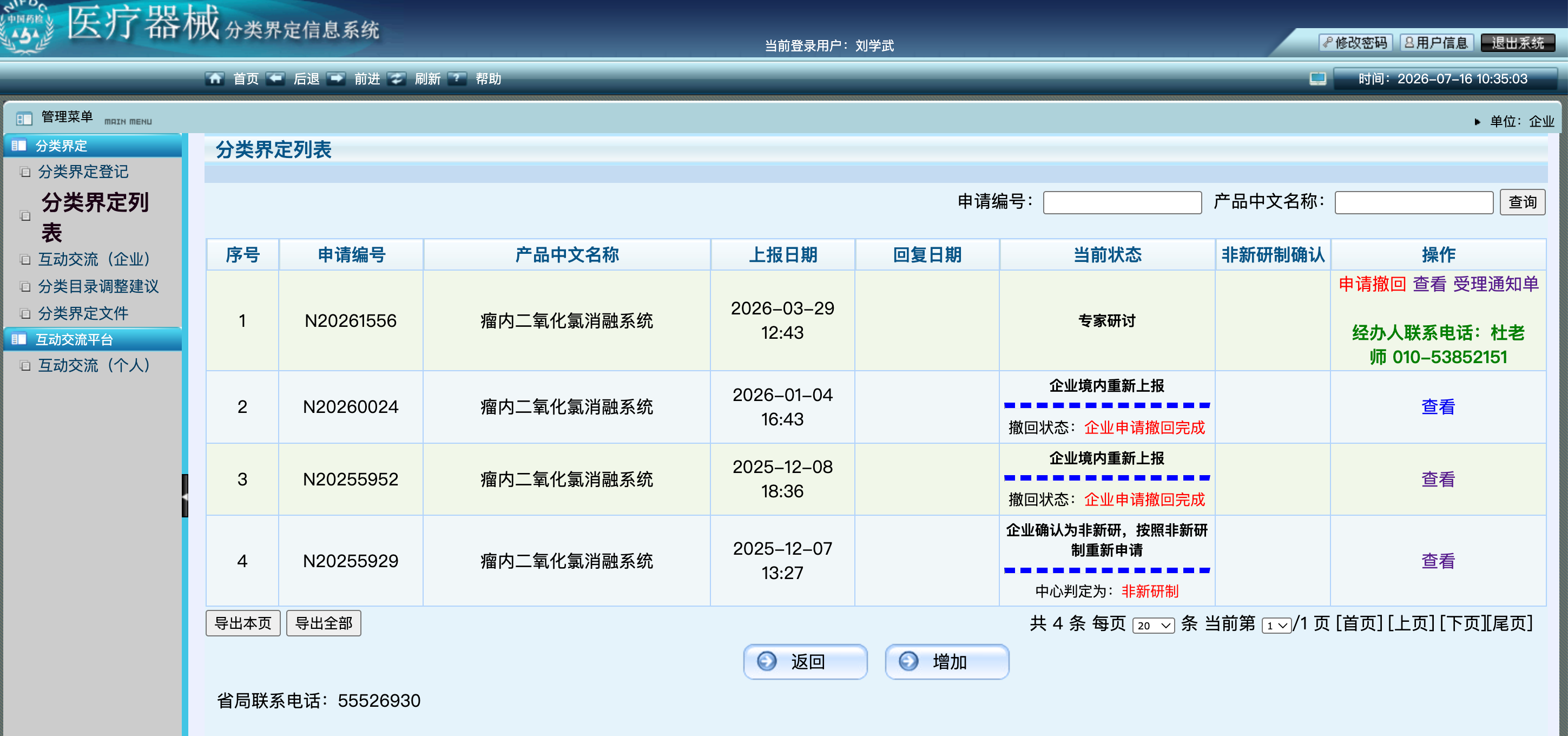
Figure 1. July 16, 2026. Application N20261556 was still shown as 专家研讨 (“Expert Discussion”). The red 申请撤回 (“Request Withdrawal”) option was still visible. Original Chinese system interface.
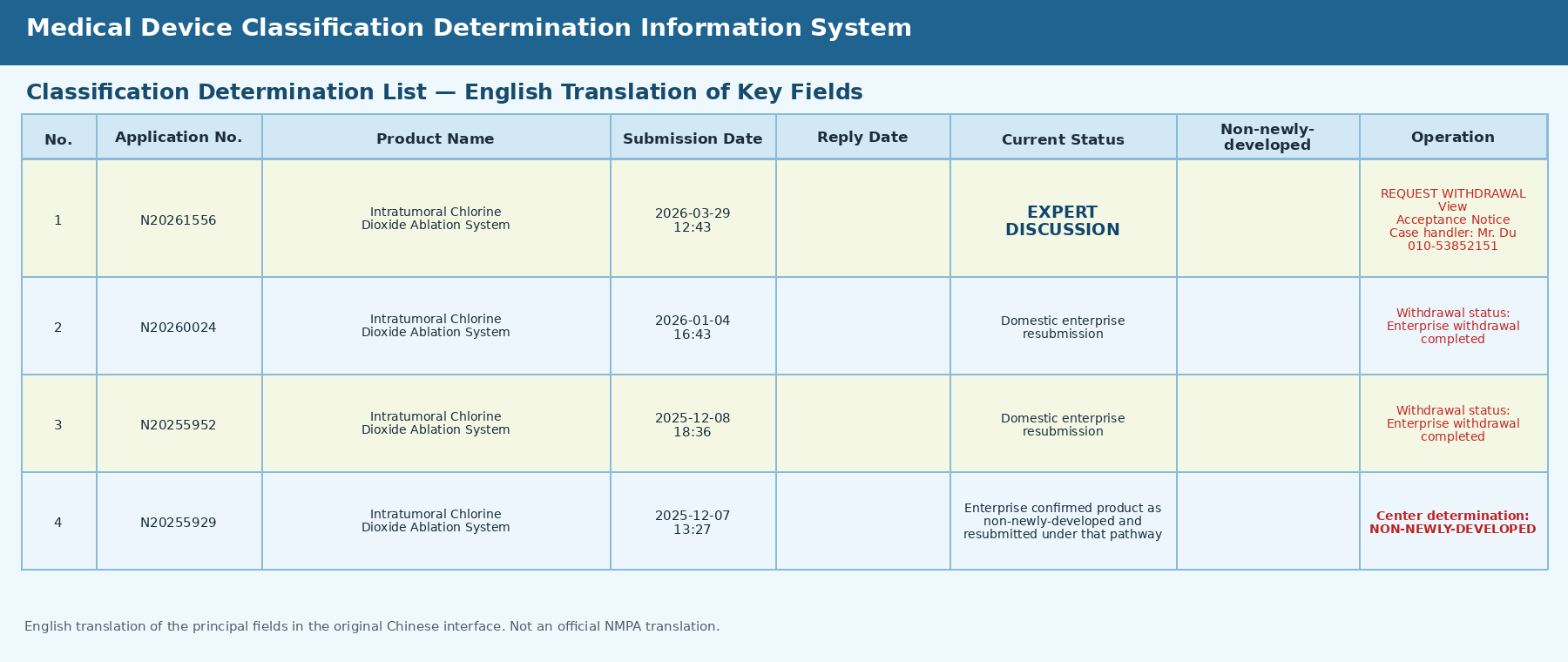
Figure 1A. English translation of the principal fields shown in Figure 1. The original Chinese interface remains the authoritative source.
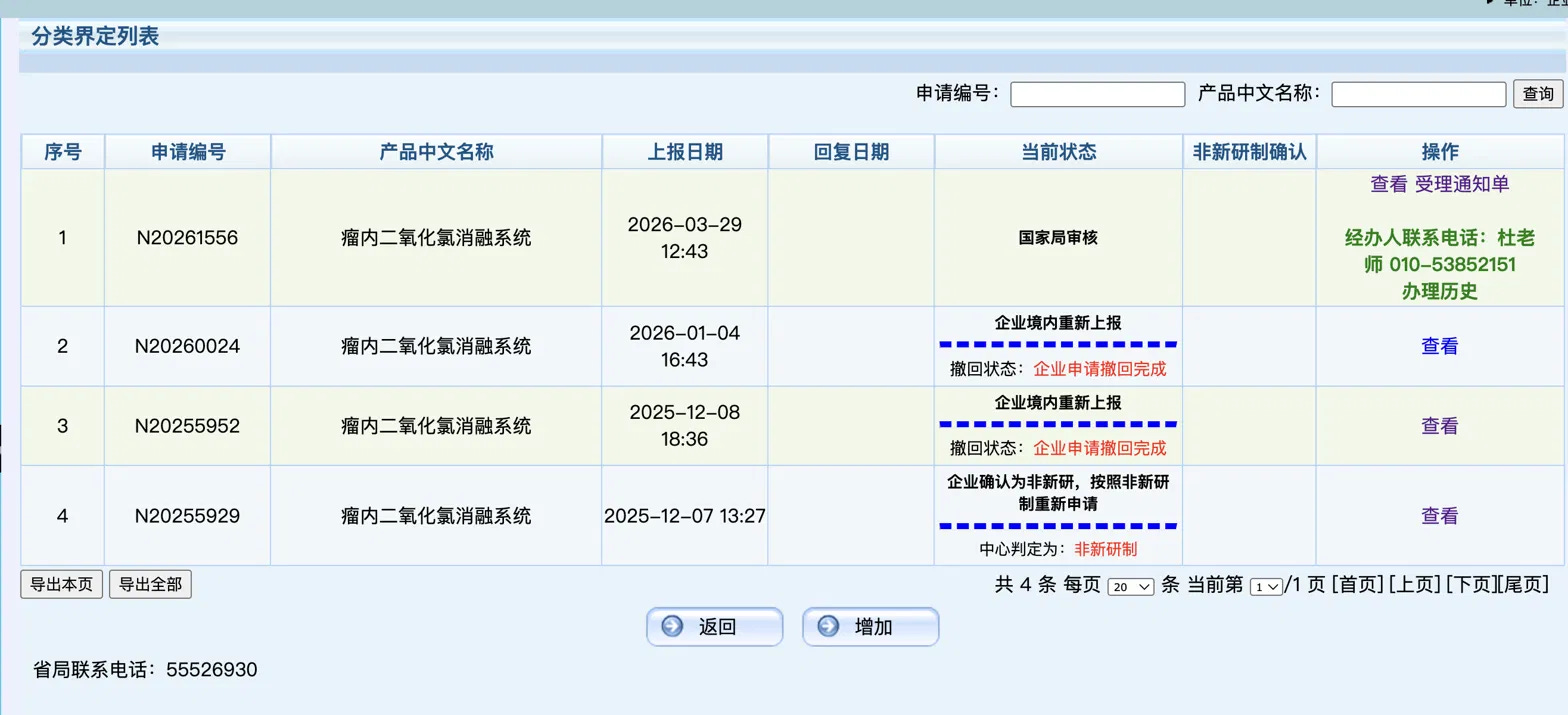
Figure 2. Current view of the same application. The status now reads 国家局审核 (“NMPA-level review”). The screenshot documents process status only; it is not a final classification decision.
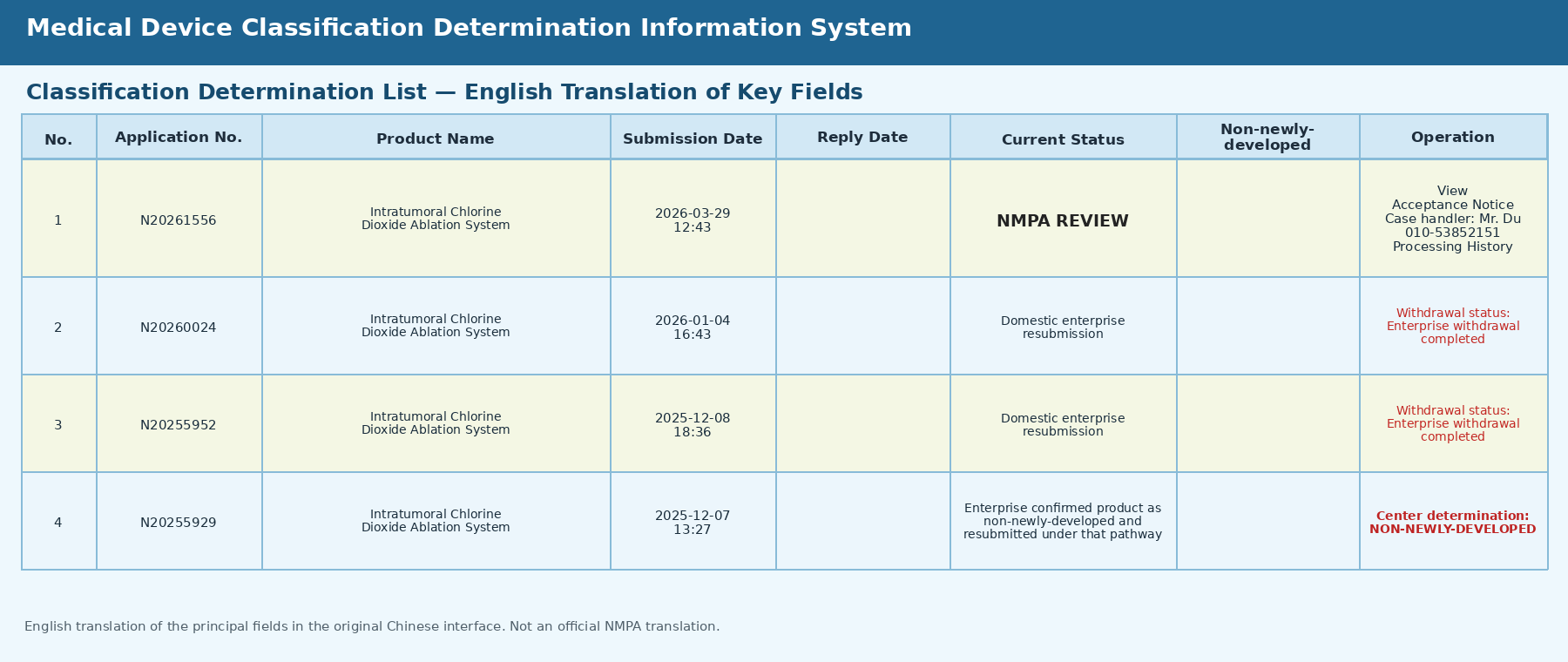
Figure 2A. English translation of the principal fields shown in Figure 2. The original Chinese interface remains the authoritative source.
What the screenshots establish — and what they do not
They establish that the same classification application progressed from expert discussion to an NMPA-level review status. They do not establish what NMPA is reviewing or what the final classification will be. The catalog-adjustment scenario discussed below remains a regulatory hypothesis, not an announced decision.
Why the Chinese clinical program kept being delayed
For months, the main obstacle to starting a human clinical study in China has not been finding interested physicians. We found them. In several cases, discussions went far enough to reach the protocol stage. Then the same wall appeared again: what exactly is this product, under which regulatory framework does it fall, and which competent authority has said so in writing?
Without a definitive classification, even interested investigators could not easily persuade their institutions to proceed. The hospital itself would have to carry the regulatory ambiguity. As a result, clinical development was repeatedly delayed while the classification remained unresolved.
This is especially difficult for a product that does not resemble a familiar surgical device. The system combines image-guided intratumoral administration with a chlorine dioxide working solution intended to produce rapid, local tissue ablation. It is unusual, it sits close to a drug-device boundary, and it does not fit comfortably into an obvious existing Chinese medical-device category.
China speaks often, and seriously, about supporting medical innovation. But there is a tension inside every regulatory system: the more unfamiliar a technology is, the more cautiously the system moves. A product that fits an existing category is easy to process. A product that forces regulators to decide where a new boundary should be drawn is different. My impression is that our case has reached exactly that uncomfortable point — publicly encouraged as innovation, but internally treated with the caution reserved for something that could create a precedent.
How the case reached NMPA-level review
Earlier in 2026, our application for China’s Innovative Medical Device Special Review was not accepted for special-review treatment. The written result cited questions about the core patent, the clarity and validation of the working principle, product finalization, and the available safety and effectiveness evidence. Separately, the decision included a short but consequential note: “Please conduct attribute determination.”
That short note changed the direction of the project. Instead of moving directly toward a Chinese clinical program, we entered a deeper classification process. We supplemented the file, waited through expert discussion, watched the case move into center-level processing, and now see NMPA-level review. What looked at first like a side question has consumed nearly half a year.
Under NMPA Announcement No. 59 of 2024, China’s Medical Device Standardization Administration Center is responsible for organizing research, determining a classification opinion, and notifying the applicant through the classification system. The published procedure does not describe NMPA-level review as an ordinary final step for every classification case.[1]
Separately, NMPA Announcement No. 53 of 2026 governs dynamic adjustment of the national Medical Device Classification Catalog. It allows the catalog to be changed by adding or deleting subcategories, adjusting first- or second-level product categories, clarifying management attribute or class, revising product descriptions or intended use, and adding representative product-name examples. Where classification results or other classification information show that the catalog needs to change, the Standardization Center is instructed to initiate catalog adjustment; a final adjustment recommendation is submitted to NMPA for study and approval.[2]
This still does not prove that NMPA is adjusting the catalog for our product. I want to be careful about that. But there is a reason the possibility matters. If the Center has concluded that this system belongs inside the medical-device framework, yet cannot be described honestly by an existing category, then the problem is no longer just how to answer one company. The regulator has to decide how this type of product should exist in the Chinese system at all.
Why China could treat it as a medical device while the United States treats it as a drug
This apparent difference is not necessarily a contradiction. China and the United States use different statutory language when drawing the boundary between drugs and devices.
China’s Medical Device Supervision and Administration Regulation defines a medical device as an instrument, equipment, material, or related article whose effect is obtained mainly through physical and other means rather than pharmacological, immunological, or metabolic means, or where such mechanisms play only an auxiliary role.[3]
Our regulatory argument in China is that intratumoral chlorine dioxide ablation is a controlled local ablation procedure: the working solution is part of an integrated system, the intended effect is direct local tissue destruction within a defined target, and the procedure is planned and controlled by delivery geometry and imaging rather than by systemic pharmacology. Whether Chinese regulators ultimately accept that position is precisely what the classification process is determining.
The U.S. statutory test is different. FDA’s medical-device definition excludes a product that achieves its primary intended purpose through chemical action within or on the body. FDA states that molecular interaction with bodily components can constitute “chemical action.” Because the primary local ablation effect of chlorine dioxide depends on direct chemical oxidation of tissue within the body, the U.S. pathway is much more naturally a drug pathway rather than a device pathway.[4]
The same underlying technology can therefore plausibly be developed as a Class III medical device in China while being developed under an FDA drug IND in the United States. Different legal definitions can produce different regulatory classifications.
What if China formally adjusts the catalog?
Now consider the scenario that would change the project most: NMPA concludes that this specific form of intratumoral chlorine dioxide ablation belongs in the Class III medical-device framework and changes the national classification catalog so that the product finally has a regulatory home.
That adjustment could take several forms: a new second-level product category, a modification of an existing category, a revised product description or intended use, or a representative product-name example. If the official text explicitly contains both “chlorine dioxide” and “ablation,” the significance would be especially clear.
1. The Chinese clinical bottleneck could finally change
For the Chinese clinical program, this would be the most immediate relief. The same hospitals that kept asking us, “What exactly is this product?” would finally have an official answer. The conversation could move from regulatory identity to the questions that actually belong in a clinical study: who should be treated, how the procedure should be controlled, what should be measured, and what evidence is needed for registration.
It would not authorize routine clinical use or replace registration requirements, but it could remove the specific regulatory bottleneck that has kept interested institutions from moving forward.
2. The Chinese registration path would become easier to model
For a startup, a difficult pathway is often easier to live with than an undefined one. A Class III program may be expensive, but at least it can be planned. “Drug, device, combination product, or something else?” cannot be budgeted. It freezes hospitals, investors, manufacturing plans, and timelines all at once.
Once classification is fixed, the risk changes from “regulatory identity risk” to “execution risk”: technical requirements, quality systems, manufacturing controls, preclinical safety, performance verification, clinical evidence, and technical review. Those are demanding tasks, but they are tasks that investors and partners can model.
3. The significance could extend beyond one company
A company-specific classification letter would help us. A national catalog adjustment would do something much bigger: it would create a reference point for every future product of this type. That would mean the regulatory system had not merely found a place for our application; it had decided that this kind of product deserved a place of its own.
It would also lower the classification barrier for future competitors. Our long-term advantage would therefore have to come from intellectual property, manufacturing know-how, clinical data, procedural control, regulatory lead time, and hospital relationships — not merely from being first through the classification process.
4. Internationally, the regulatory conversation would change
A Chinese catalog adjustment would have no legal force over FDA, EMA, or national European regulators, and it would not prove clinical efficacy. But it would create an important international regulatory precedent: a major regulator would have formally examined this specific medical use and placed it within a defined framework.
That changes the conversation with other authorities. Instead of beginning with an entirely open question — “what is this product?” — the discussion can begin with how another jurisdiction analyzed the same technology under its own statutory definition, and why that analysis does or does not transfer.
5. The media effect could be larger than the legal text
If the catalog uses only a broad phrase such as “chemical ablation system,” the story may remain inside the medical-device industry. If the official wording explicitly uses “chlorine dioxide,” the event becomes far more searchable and newsworthy, including internationally.
The correct message would be: “China’s NMPA has established a medical-device regulatory classification for a specific chlorine-dioxide ablation product category.” The incorrect message would be: “China approved chlorine dioxide to treat cancer.” Classification is not marketing authorization, and it is not approval of therapeutic efficacy.
6. Financing could change quickly
For financing, the effect could be immediate. Today, anyone hearing “chlorine dioxide” has to cross a psychological barrier before they even look at the data. A formal NMPA classification would not prove the technology works, but it would force the conversation onto a more serious level: a major national regulator has examined the product closely enough to decide where it belongs.
The financing story would therefore become easier to understand: China has formally established how this product category is regulated, while U.S. development proceeds under an FDA drug pathway. That is a much clearer starting point for investors than an unresolved product identity.
How this work has been funded so far
The project has so far been founder-funded, without outside investment. Personal resources have supported preparation chemistry, patent work, experimental studies, veterinary cases, and regulatory filings in China and the United States. The pace of development has increasingly been limited by the resources available to a founder-funded program.
The next stage requires a different scale of capital: qualified analytical testing, controlled manufacturing, formal quality systems, and prospective clinical studies. Those activities cannot be sustainably financed one small step at a time.
The program is not entering formal development from a blank scientific slate. It already includes physician-initiated human observations and naturally occurring companion-animal tumors treated in clinical settings, alongside experimental work. These observations are not a substitute for prospective controlled studies, but they provide a substantive starting point for the regulatory-grade work that now needs to be done.
Conventional venture capital has not been an obvious first home for this project. The technology does not look like the oncology companies most funds are used to seeing. It is not another molecule aimed at another target. It is an image-guided local ablation system built around a chemical mechanism that most investors have never evaluated before. That unfamiliarity has a cost.
If a major Chinese regulatory milestone is reached, one option I intend to evaluate is a future U.S. Regulation Crowdfunding campaign, potentially up to the current $5 million Reg CF limit, to support FDA, manufacturing, quality, and clinical development.[5][6] No securities are being offered through this article, no investment commitments are being accepted, and any future offering would be conducted separately through the appropriate U.S. legal process.
What this would — and would not — mean
· It would mean that China had formally resolved an important regulatory-classification question for this type of product.
· It could materially reduce the barrier to organizing a Chinese registration-oriented clinical program.
· It could strengthen the case for accelerated regulatory coordination and innovation support in China.
· It could provide an important international reference point for a controlled medical use of chlorine dioxide.
· It could materially improve the fundraising narrative for U.S. development.
· It would NOT mean that our product had received Chinese marketing authorization.
· It would NOT mean that NMPA had approved chlorine dioxide as a general cancer treatment.
· It would NOT replace the need for safety, effectiveness, manufacturing, quality, and clinical evidence.
The next signal to watch
For now, the one fact I can state without interpretation is visible in the Chinese system itself: application N20261556 has moved from “Expert Discussion” to “NMPA-level review.” After months of watching the same regulatory question hold back the Chinese clinical program, that change matters to me.
My working hypothesis is that the case has become a catalog-level question because the product does not fit comfortably inside the existing categories. I may be right, partly right, or wrong. I would rather say that openly now than pretend certainty I do not have. The final answer has to come from NMPA.
But after almost half a year, the case finally appears to have reached a place where someone has to make a real decision. If that decision is a Class III medical-device classification accompanied by a national catalog adjustment, it will not feel like another administrative step. It will mark the moment when a technology that has spent years fighting to be taken seriously receives a formal regulatory place in one of the world’s largest medical markets.
References
1. NMPA Medical Device Classification Service Portal — classification procedures under Announcement No. 59 of 2024. https://zwfw.nmpa.gov.cn/web/taskview/11100000MB0341032Y100207202300001
2. NMPA Announcement No. 53 of 2026 — Medical Device Classification Catalog Dynamic Adjustment Work Procedure. https://www.nmpa.gov.cn/xxgk/ggtg/ylqxggtg/ylqxqtggtg/20260601173941178.html
3. Regulations for the Supervision and Administration of Medical Devices (China), Article 103 definition of a medical device. https://www.nhc.gov.cn/bgt/gwywj2/202103/d1d32cd516af4c78bcb7eed0d90f8b2c.shtml
4. U.S. FDA — Classification of Products as Drugs and Devices and Additional Product Classification Issues. https://www.fda.gov/regulatory-information/search-fda-guidance-documents/classification-products-drugs-and-devices-and-additional-product-classification-issues
5. U.S. SEC — Regulation Crowdfunding. https://www.sec.gov/resources-small-businesses/exempt-offerings/regulation-crowdfunding
6. U.S. SEC — Regulation Crowdfunding: Guidance for Issuers. https://www.sec.gov/resources-small-businesses/small-business-compliance-guides/regulation-crowdfunding-guidance-issuers